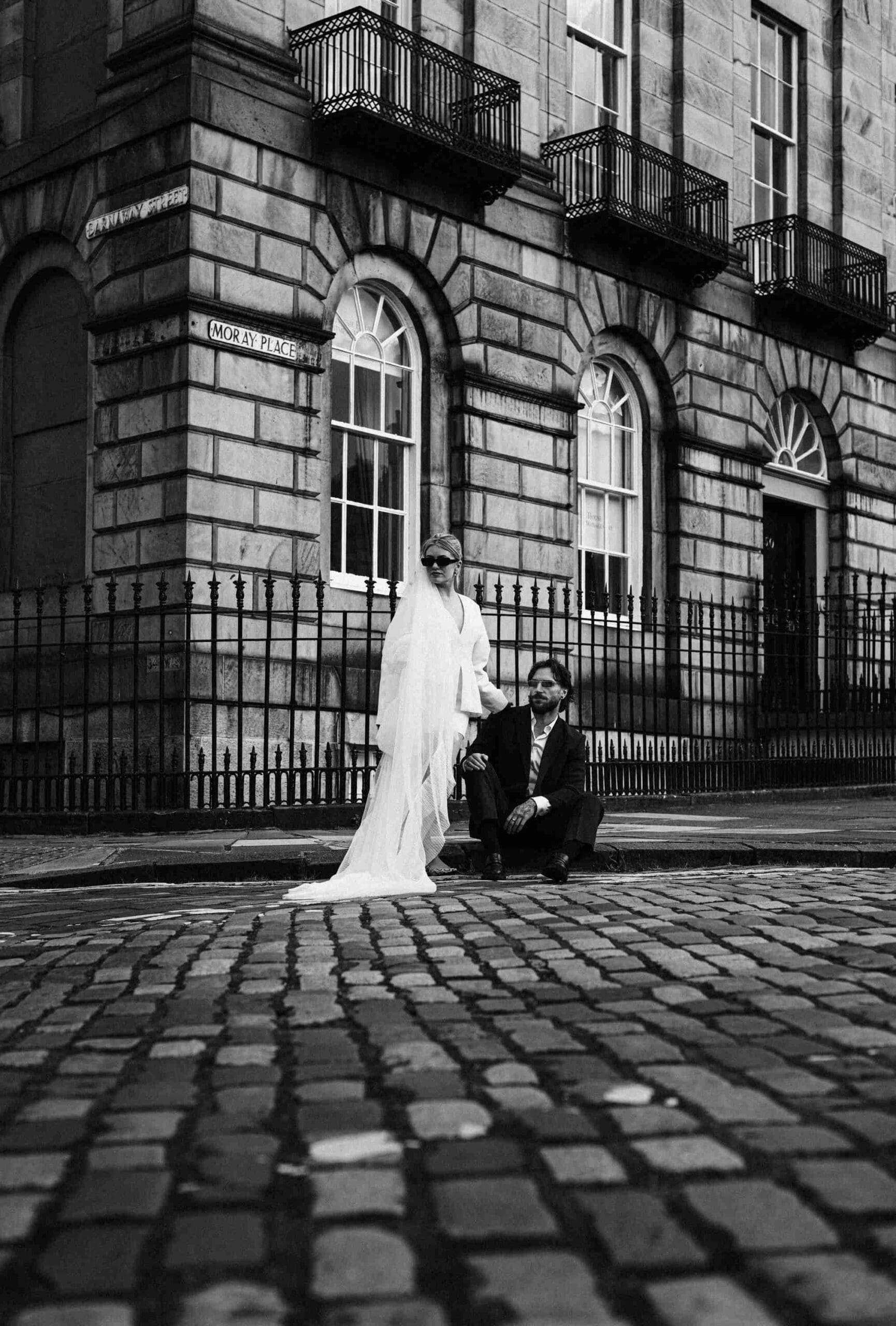
There’s an assumption that the wedding timeline is about structure, something you plan, organise, and fit neatly into place. Timings. Logistics. But in reality, it’s something far less rigid and far more important than that.
It’s about pace.
Because a wedding that feels rushed will always look rushed.
And one that feels considered, unhurried… tends to linger a little longer, in every sense.
And in many ways, this is where it all begins.
Not the planning, but the feeling of it.
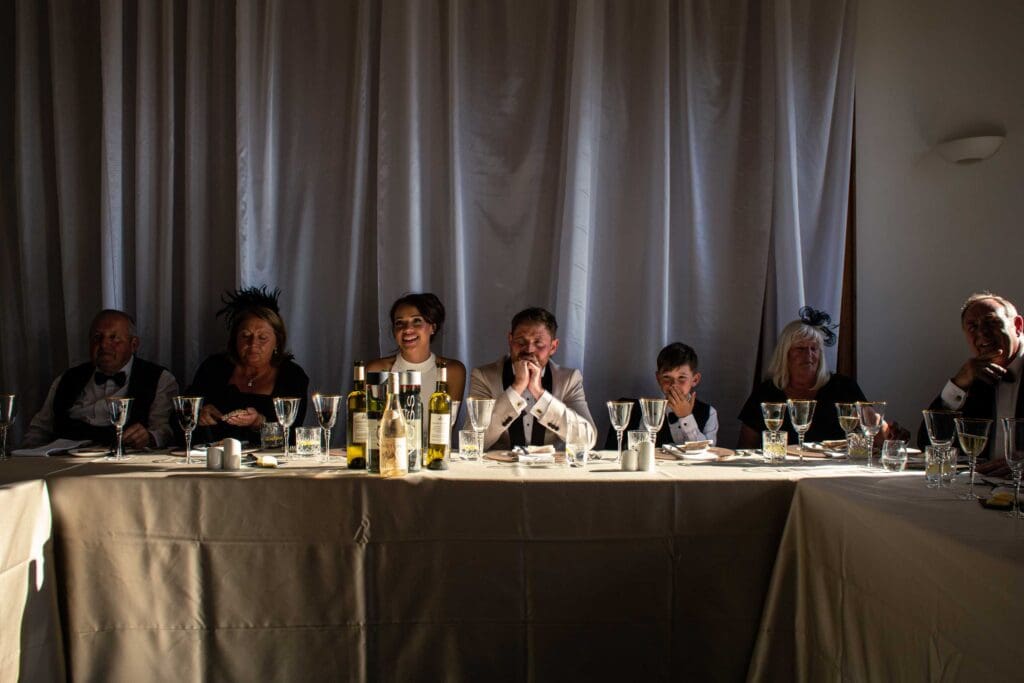
Where it really begins. Planning your wedding timeline
Before the spreadsheets, before the final supplier emails, before everything starts to feel very real, there’s a quieter question worth asking. How do you want your wedding to feel?
Not just visually. Not in a way that’s performative or borrowed from somewhere else.
But something more instinctive. Soft, slow mornings. Champagne that isn’t rushed. A ceremony that feels like a pause, rather than a cue.
Because once that feeling is clear, the rest has a way of falling into place, and the timeline becomes less about control and more about intention.
A quiet note, early on
There’s a point, early in the process, where a few key decisions shape everything that follows.
The venue, of course. The date.
And the people who will be there to document it.
Not just in terms of availability, but in terms of how you want it to feel. Because if you’re drawn to a certain way of seeing things, something more considered, more observational, less directed, those choices tend to be made earlier than expected.
Not out of urgency. But because they’re intentional. And once they’re in place, everything else tends to fall into rhythm around them.
Especially if how your wedding is documented, matters as much as how it looks.
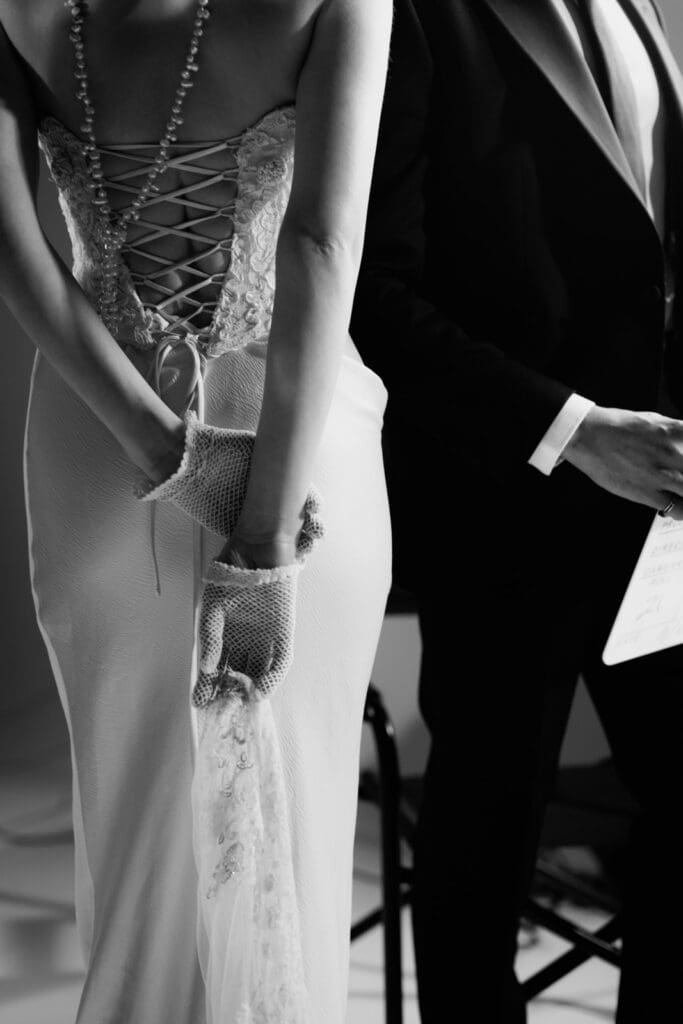
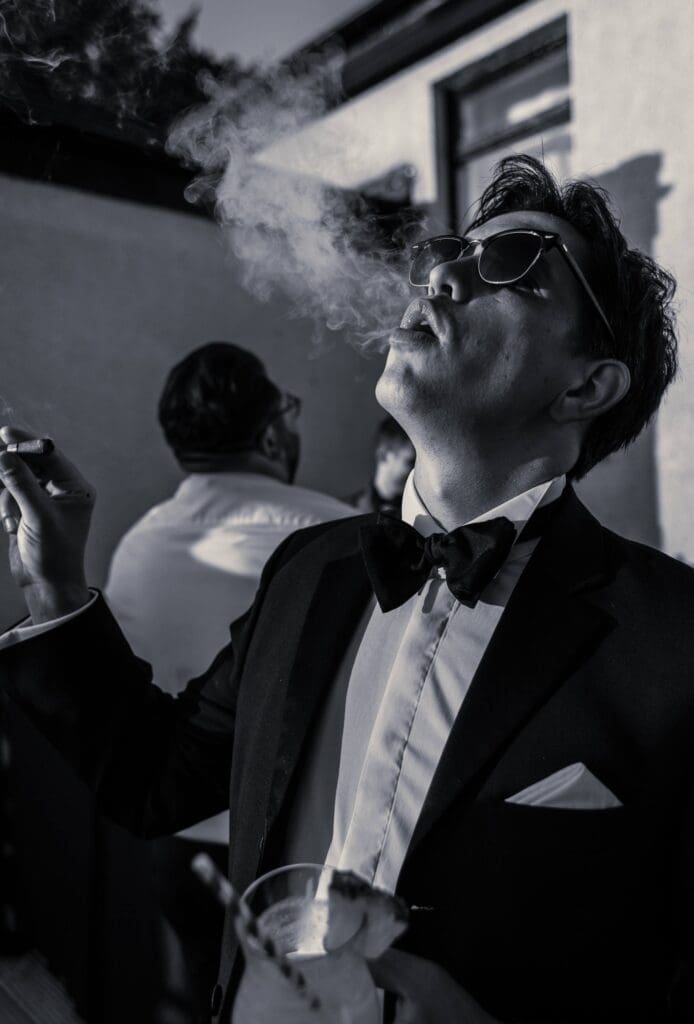
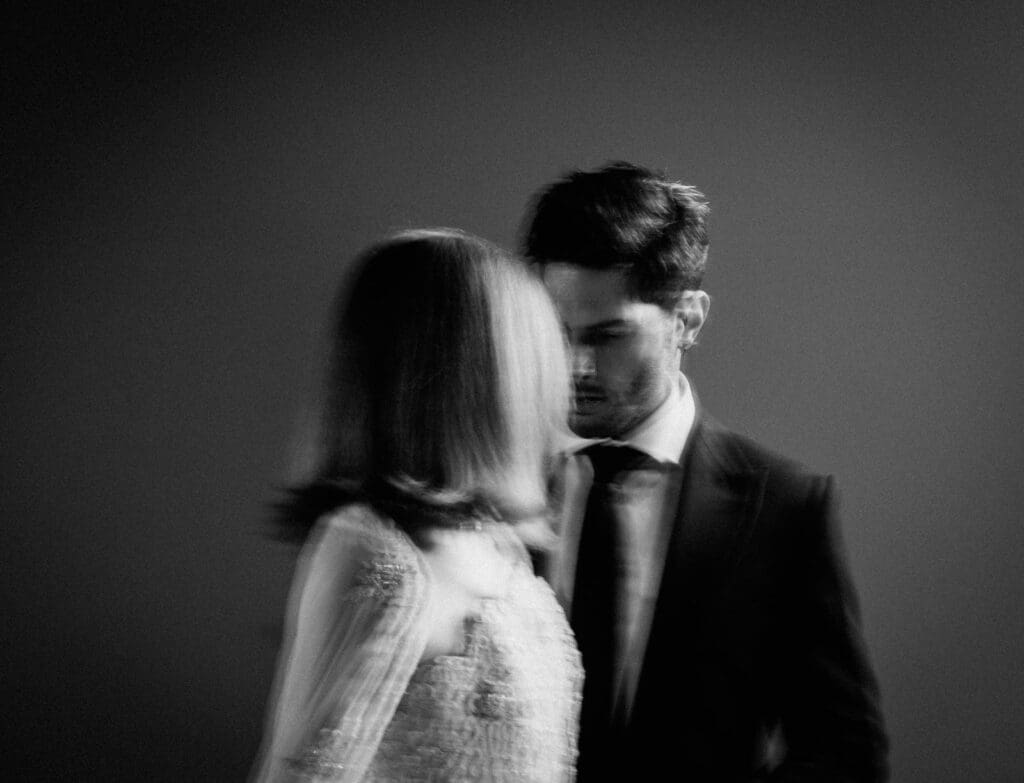
Wedding timeline tips.
It’s easy to think of a timeline as a sequence of moments:
- 2 pm Ceremony.
- 3:30 pm Reception
- 5 pm Wedding breakfast
But the truth is, the most meaningful parts of a wedding rarely happen on time. They happen in between.
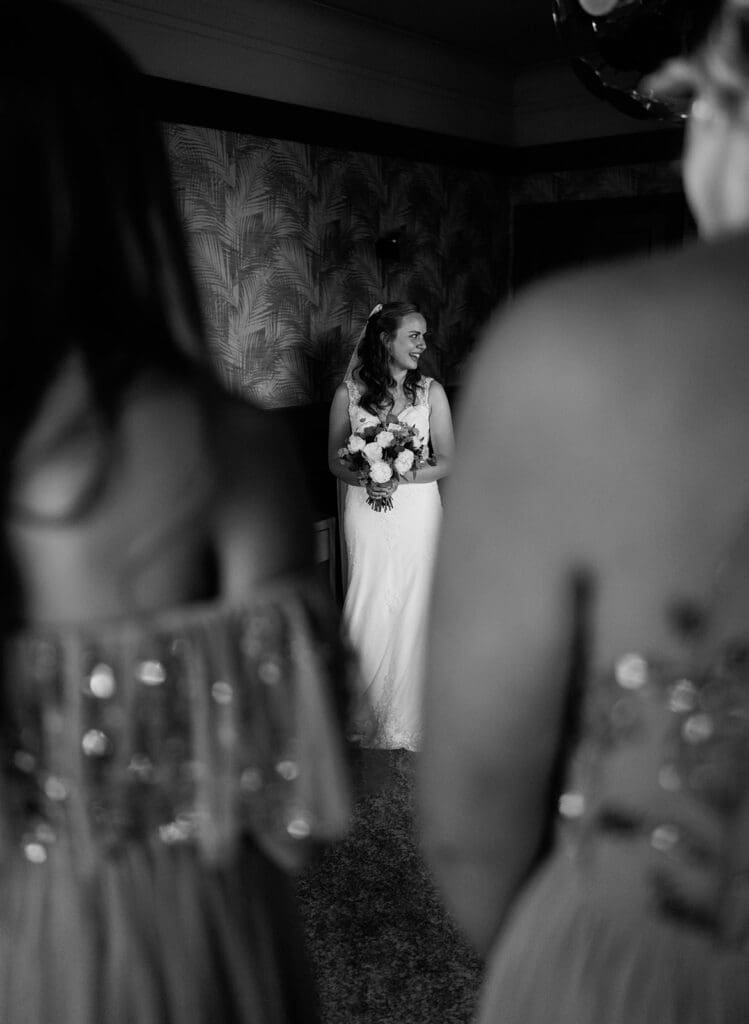
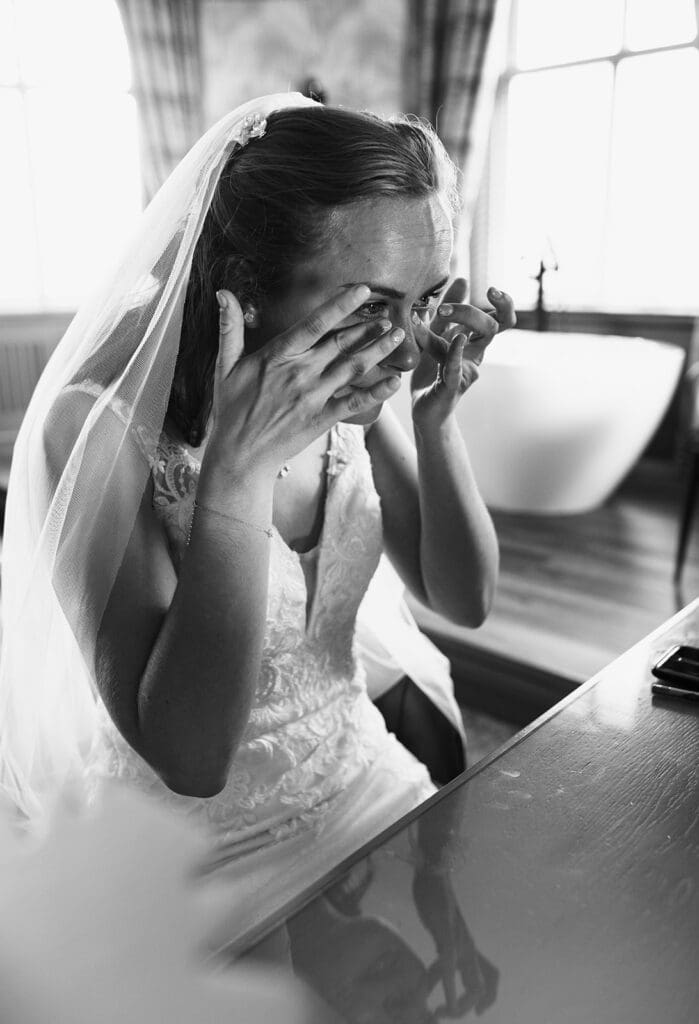
In the few minutes before you walk down the aisle.
They’re in the exhale just after the ceremony.
In the way the light softens while no one is really paying attention.
These are the moments that quietly shape the story, the ones you don’t plan for, but remember most.
And so, rather than filling every part of the day, a well-considered timeline does the opposite, it creates space.
Space to breathe.
To step away.
To actually experience what’s happening, rather than move straight through it.
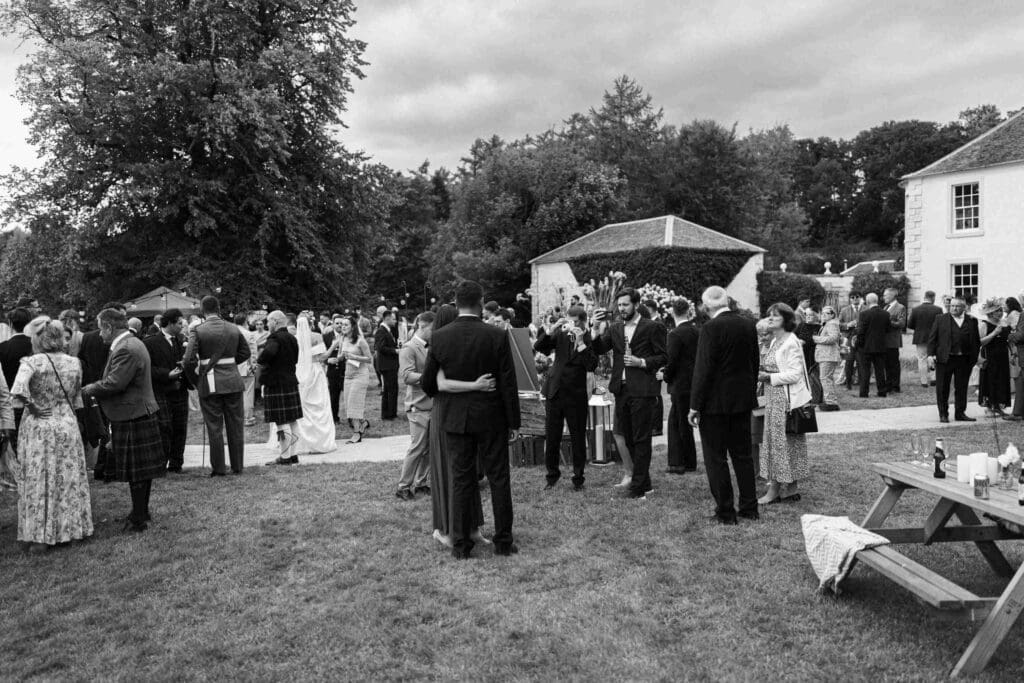
On timing, and everything in between
Most wedding days tend to follow a natural rhythm, not rigidly, but in a way that allows everything to unfold without feeling rushed.
A little more time in the morning than you think you’ll need, I normally arrive to start photographing around 3 hours before the ceremony, so nothing feels compressed before the day has even begun.
Have a gentle pause after the ceremony, rather than moving straight into the next moment,
so you can actually take it in and spend time with the people you love most in the world. There’s time for family shots and portraits, and there’s time to relax and enjoy this moment.
And later, as the light softens, a small pocket of time is set aside for photographs that don’t feel staged or hurried.
None of this is about adding more to the day, only about giving each part of it the space it deserves, and the time you deserve.
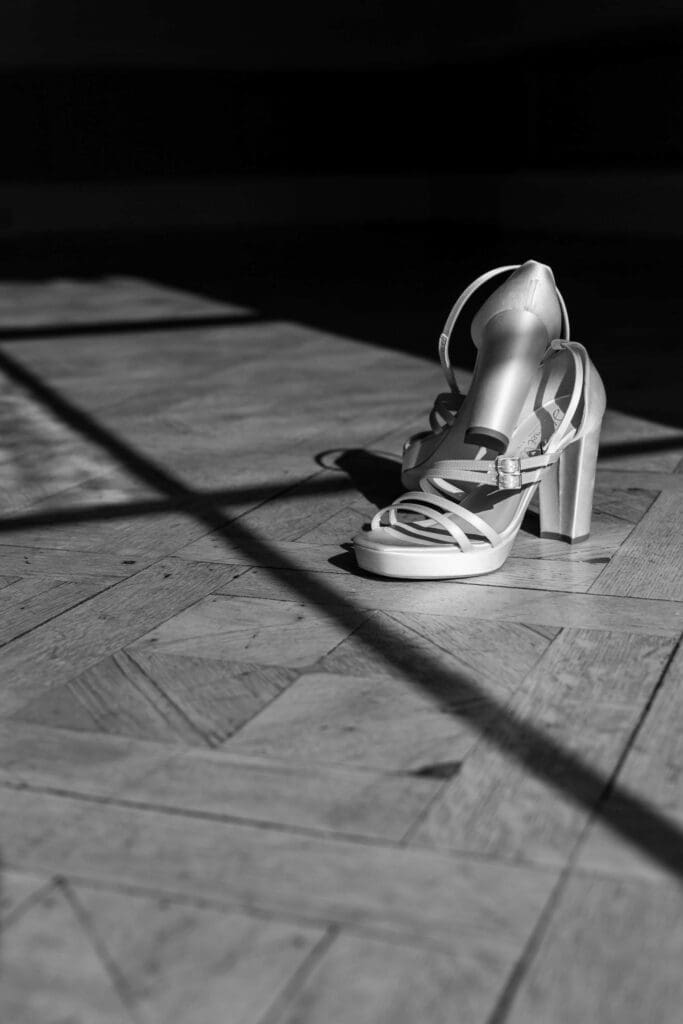
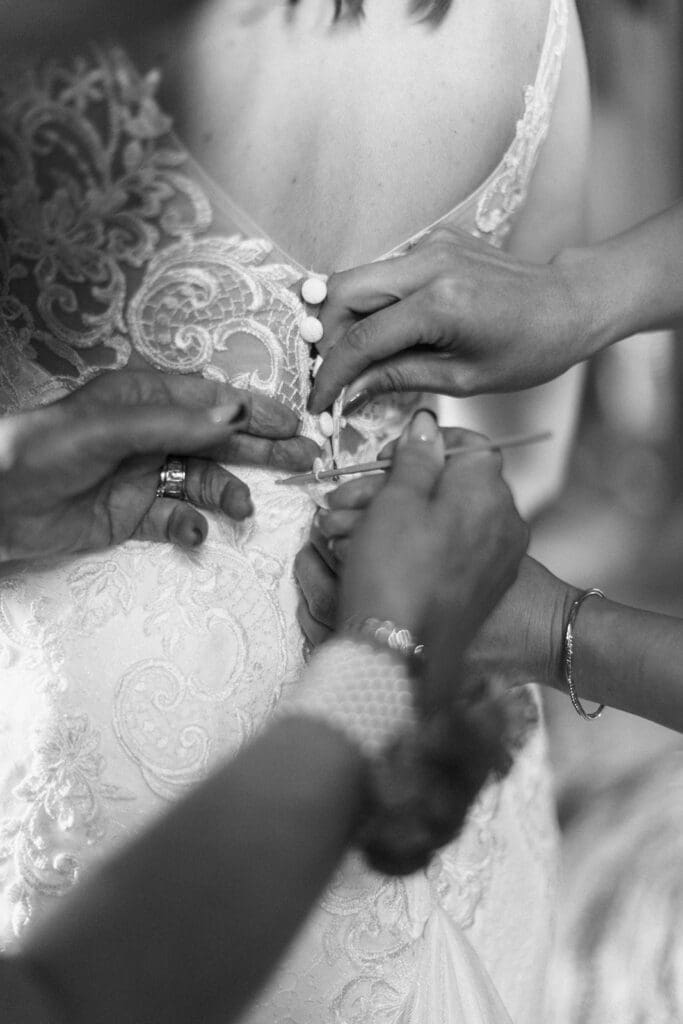
A photographer’s approach to your wedding timeline
By the time your wedding arrives, the timeline should feel almost invisible.
Not something you’re thinking about, just something you’re gently carried through.
This is usually where I step in a little more intentionally.
In the weeks leading up to the day, everything is refined behind the scenes. Adjusted where needed. Simplified where possible. Often, it’s small shifts, moving something slightly earlier, allowing a little more space somewhere else, but they change how the entire day feels.
Not to add more structure, but to remove anything that might feel like pressure.
So that when the day comes, you’re not watching the clock.
You’re fully present in it.
The pace of the day
There’s a moment, often later in the evening, where couples realise how quickly it’s all gone. How the morning felt long, and then suddenly… it wasn’t. It’s something almost everyone worries about, quietly.
Which is why the timeline isn’t about fitting more in. It’s about protecting the parts you’ll want to hold onto.
- A slower morning.
- A little more time just after the ceremony.
- A pause before everything shifts into the evening.
They seem such small decisions, really, but they change the entire rhythm of the day.
And afterwards
Long after the timings themselves are forgotten, what remains is how it all unfolded.
Not as a schedule, or a checklist of moments, but as something more fluid.
- A beginning that felt calm.
- A middle that moved naturally.
- An ending that arrived without being rushed.
A story, essentially. Told in a way that feels like you.
A final note
Every story starts somewhere. Not always with a grand moment, but often with something quieter.
A feeling. A rhythm. A sense that everything is unfolding exactly as it should.
This is yours.
Every wedding has a beginning. This is where yours is shaped.
Chapter Three
The Wedding Day
How it all unfolds (based on a 2 pm ceremony)
11:00 — The Morning Begins
Arriving quietly, as everything is just starting to settle into place.
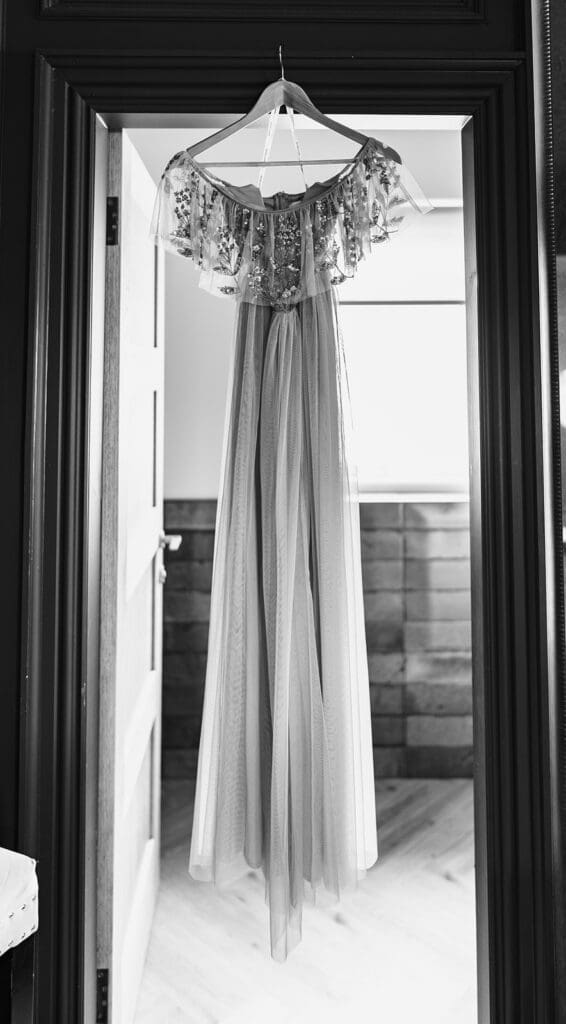
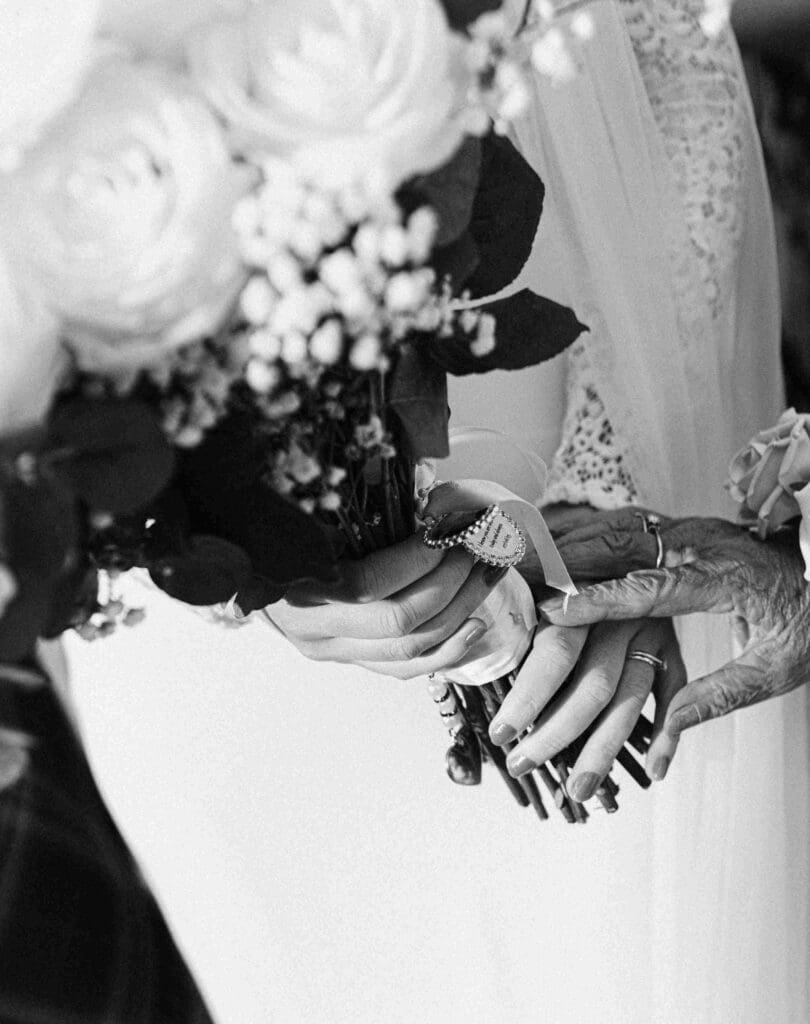
The room holds that early energy, calm, but expectant. Details gathered. Light moving gently across them. Preparations unfold naturally. Nothing rushed.
A moment with the groom, briefly, before returning to where the morning is building.
By early afternoon, everything shifts slightly.
The dress. A pause. And then, a first look, the kind that tends to stay with you.
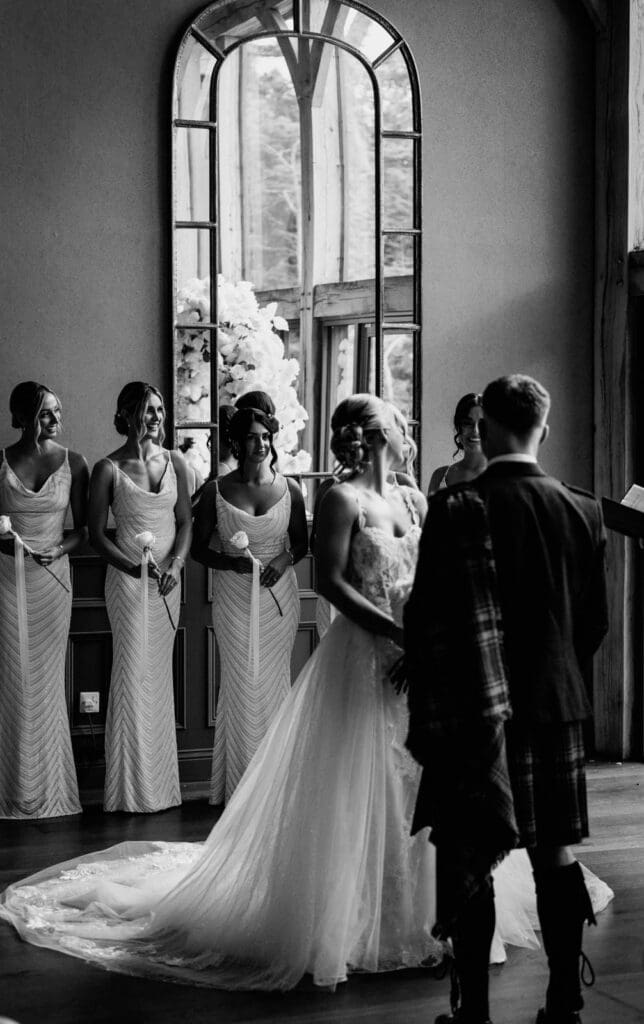
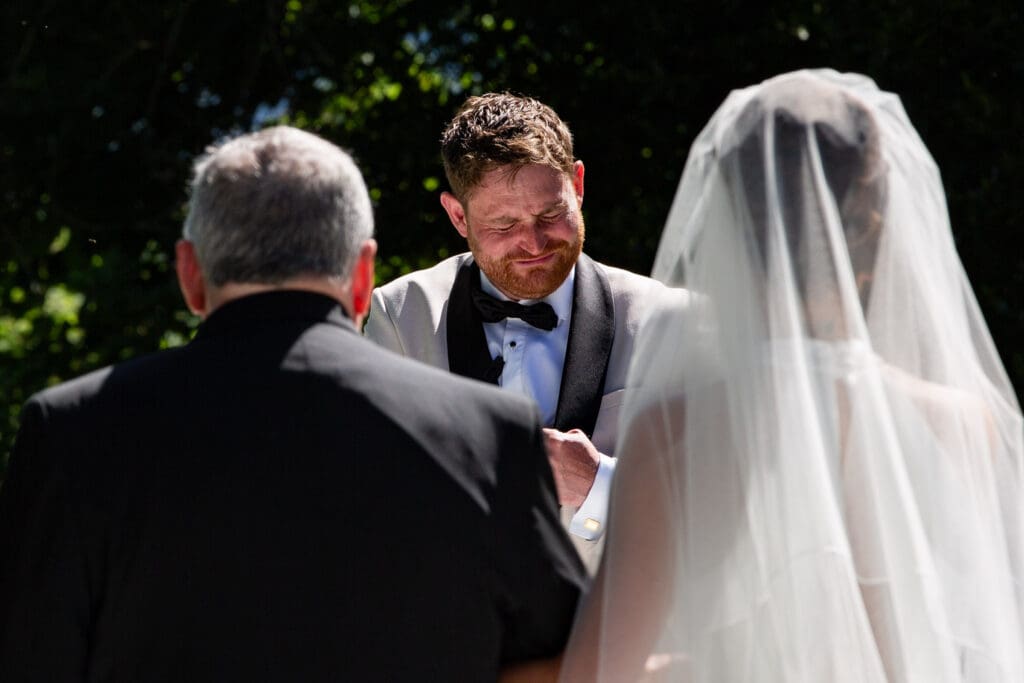
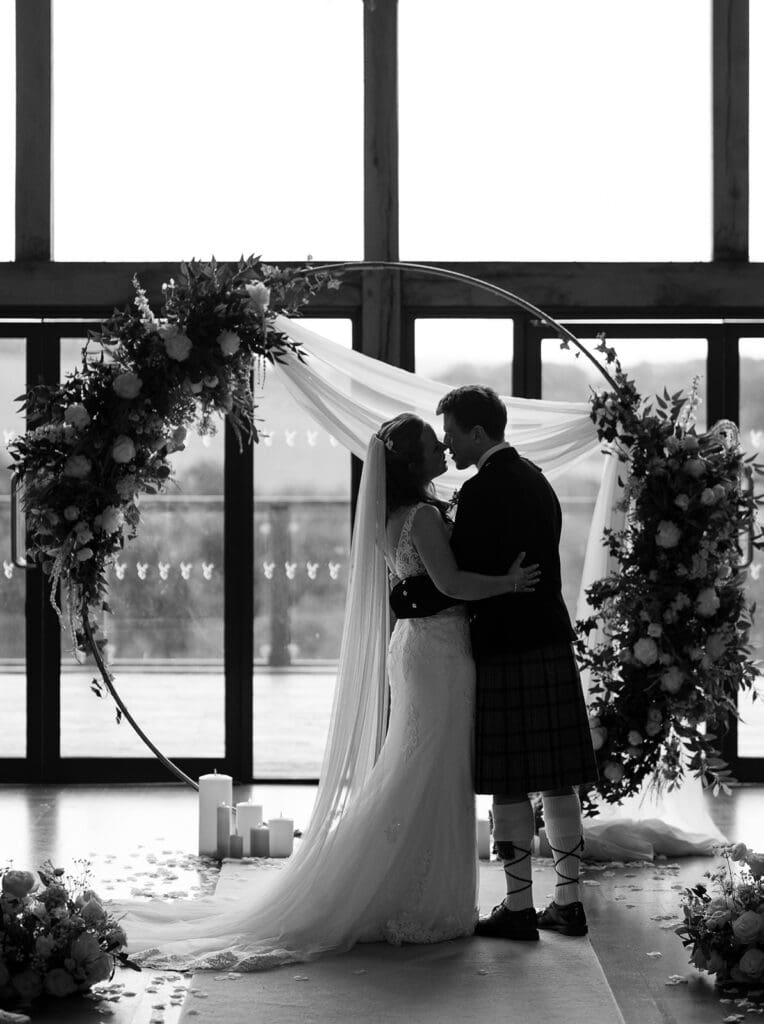
14:00 — The Ceremony
A moment that feels both anticipated and entirely still.
Everything slows, just for a while.
And then, it happens.
Afterwards
Straight into celebration, but without urgency.
Confetti in the air. A group shot. Laughter, movement, the first exhale of the day. Time with your people.
A few photographs, gently guided, nothing that takes you away for too long. Just enough to hold onto.
15:00 — Drinks Reception
The atmosphere softens. Guests begin to settle into the day. Conversations overlap. Glasses refill.
This is where the story becomes less structured, more observational.
Moments between people. Details you didn’t notice at the time.
Family group shots, gathered briefly, then back to everything unfolding as it should.
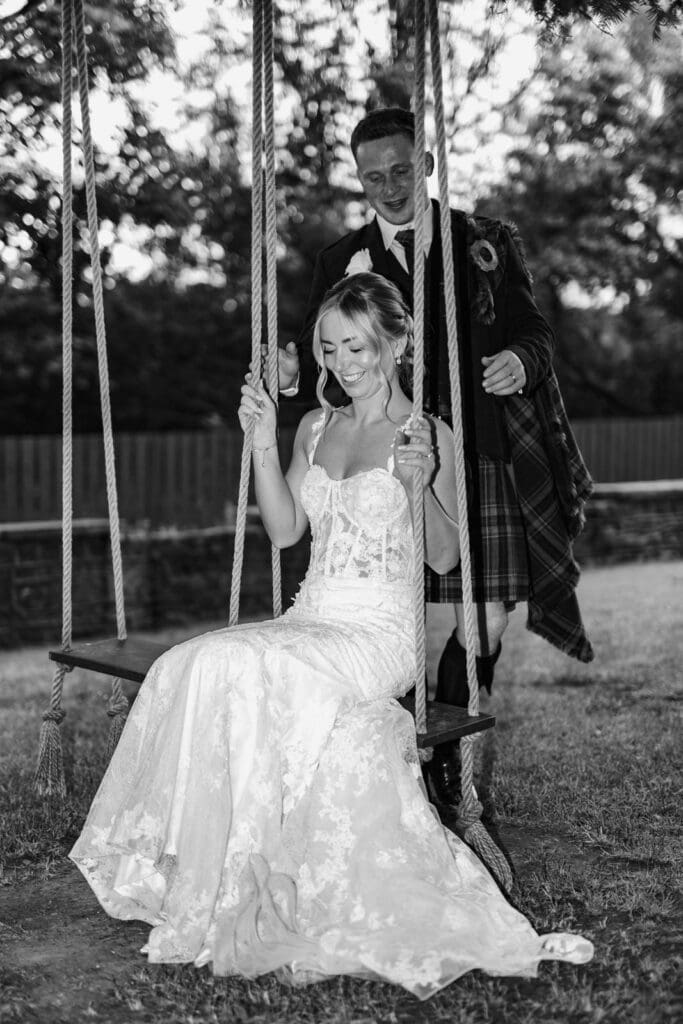
16:00 — A Moment Away
A short step away from it all. Just the two of you.
No pressure. No performance.
Simply a chance to pause, and to take in what’s already happened.
16:40 — The Wedding Breakfast
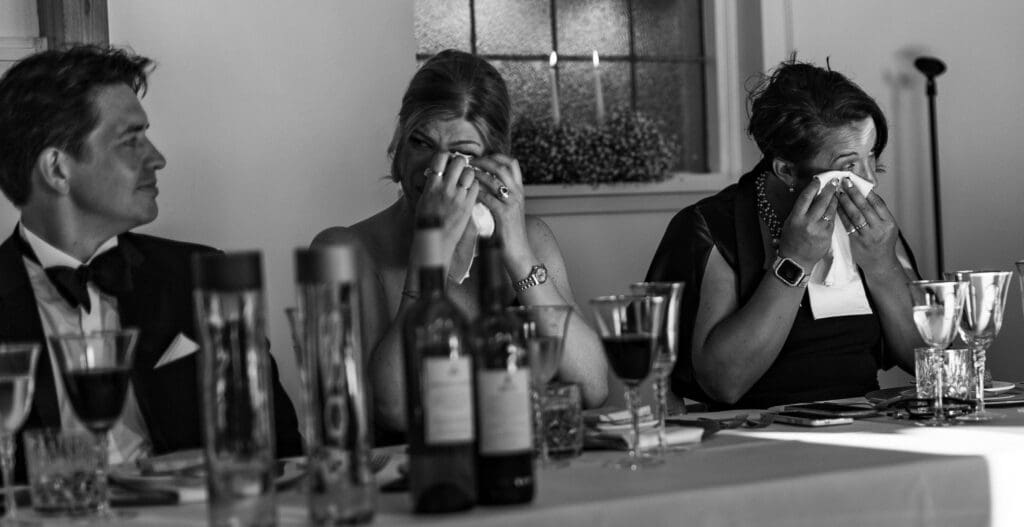
The room shifts again. Everyone together now. Speeches, usually earlier, when emotions are closer to the surface.
Then dinner. A slower pace. A moment with your people. The kind of moment that holds people in place a little longer.
18:00 — The Evening Begins
The energy changes, almost without noticing. More movement. More sound.
Guests drifting between spaces. The day loosens slightly.
19:00 — Evening Arrivals
A second wave of energy. New faces. A fuller room.
Everything begins to build.
19:30 — The Shift
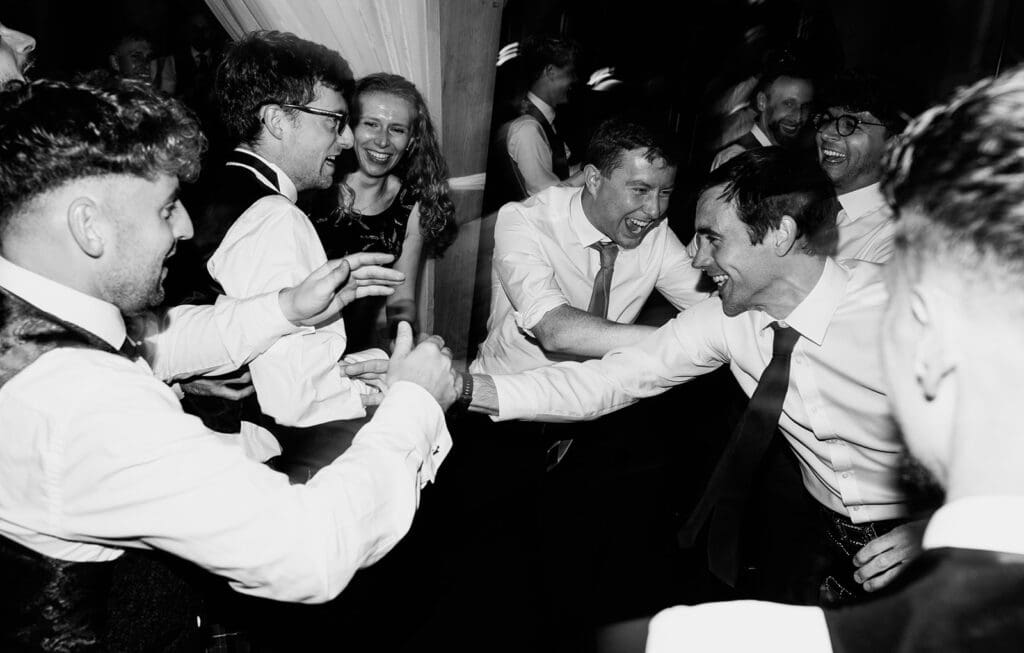
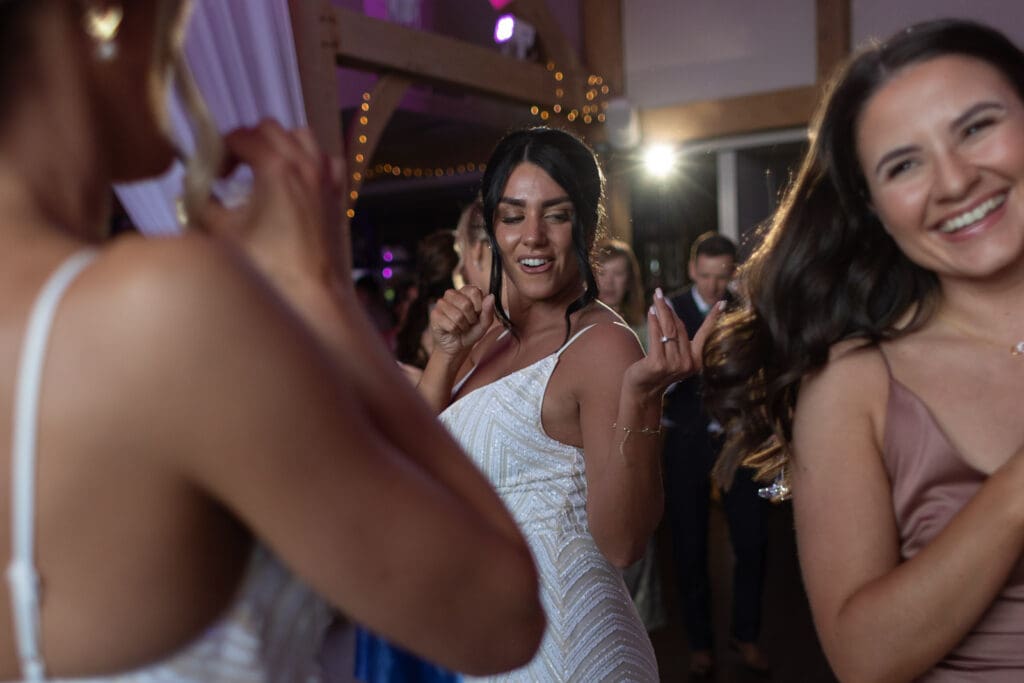
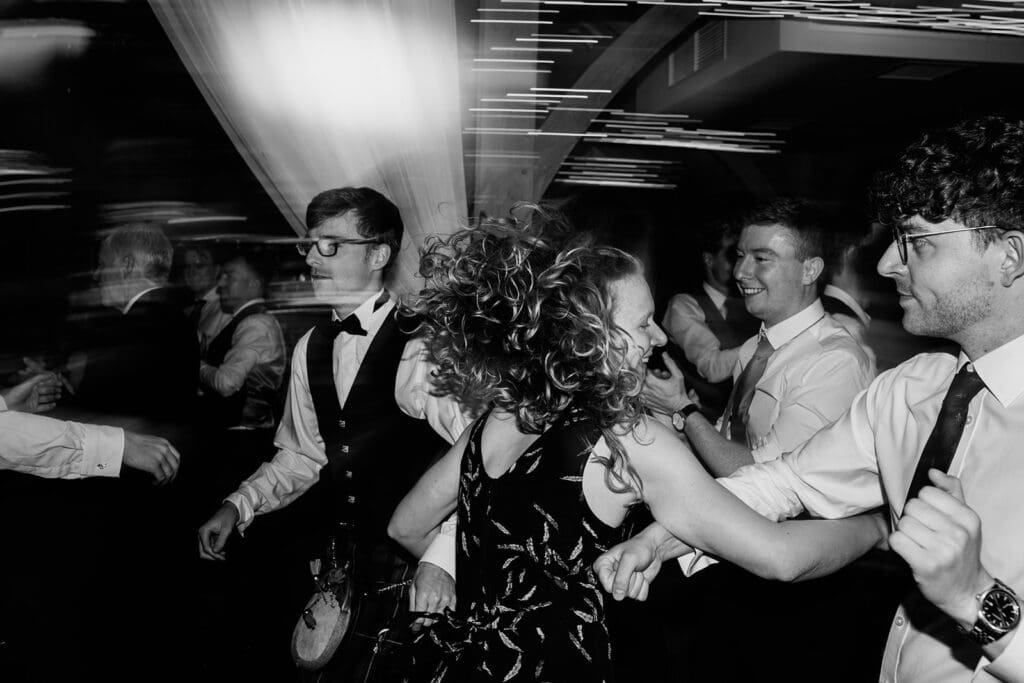
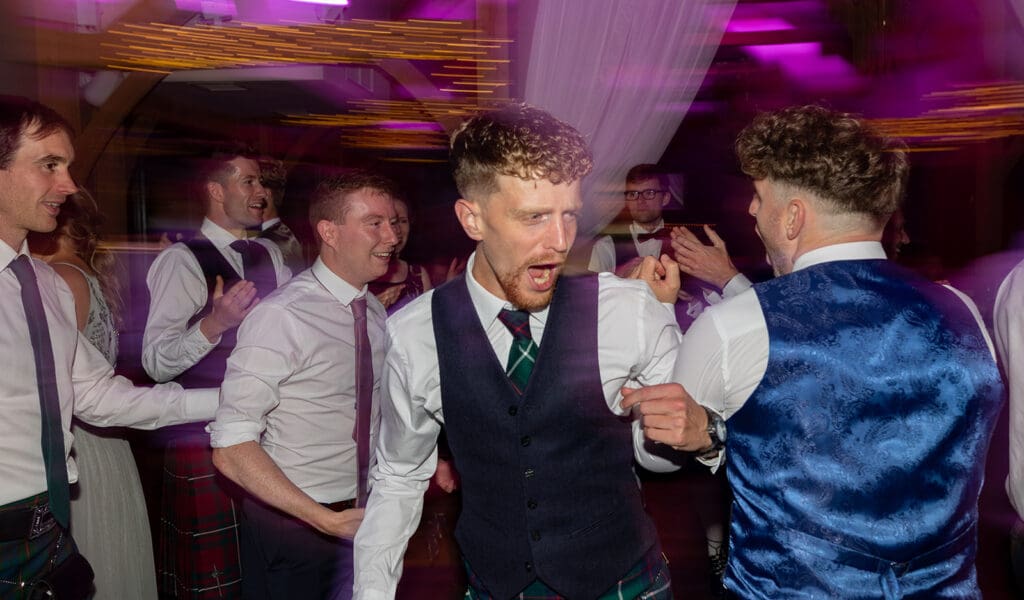
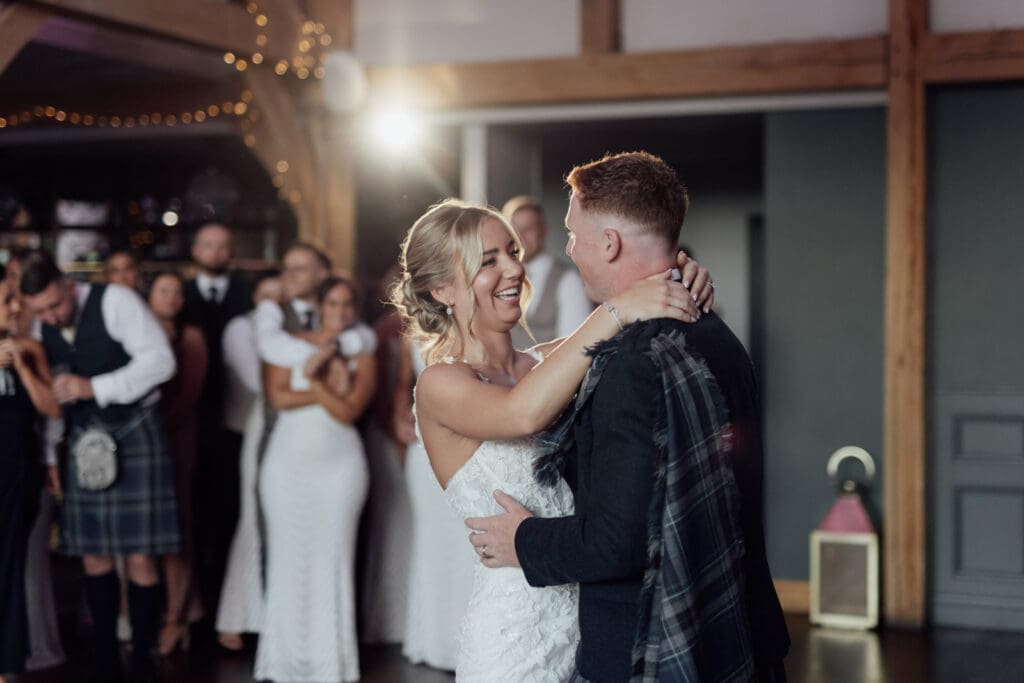
The cake is cut. And then, almost immediately, the dance floor opens.
The point where the day lets go of structure entirely. But first…
20:00 — One Last Moment
Stepping away again, briefly. The light, now softer, lower. A different kind of quiet. The kind that feels like the day catching up with you.
21:00 — And then, it continues
By this point, everything is in motion.
Nothing needs directing. Nothing needs holding together.
Just the energy of it all, carrying on, long after.